Market Analysis
I Asked 5 Jewelers About Pre-Owned Pieces. Their Answers Surprised Me.
Traditional jewelers have complicated feelings about the secondary market. Here's what they actually think—when they're being honest.

James Thornton
Luxury Market Expert
October 15, 2024
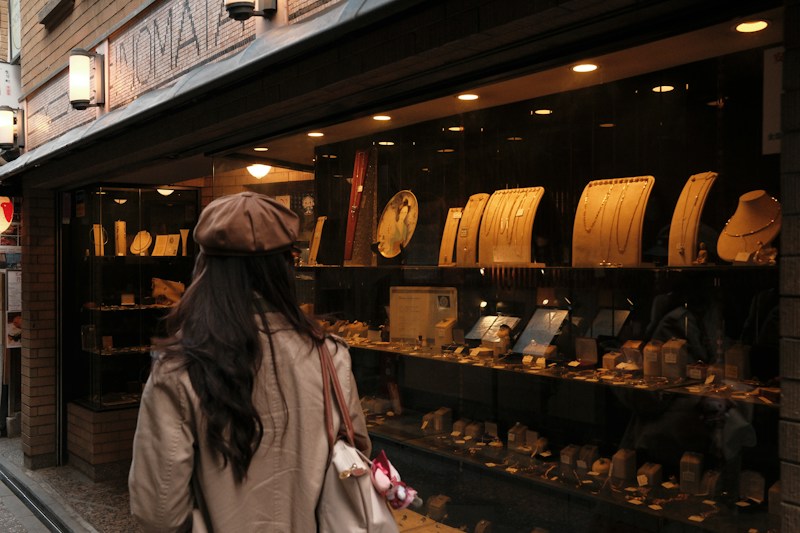
On one hand, they're losing sales. Every Cartier bracelet bought on Fashionphile is one not bought at a Cartier boutique. Every engagement ring purchased from an estate dealer is one not purchased from a local jeweler.
On the other hand, some of these same jewelers service pre-owned pieces, authenticate for clients, and quietly acknowledge that the secondary market is legitimate.
So I asked. Five jewelers, ranging from a small independent shop to a sales associate at a major luxury house. Off the record. Here's what they told me.
Jeweler #1: The Independent Shop Owner
Marcus has run his family's jewelry store in Chicago for 30 years. Third generation. He repairs, resizes, and sells mostly estate pieces himself.
"Look, the pre-owned market isn't my competition. It's my supply chain."
He buys from estate sales, auctions, even directly from customers who want to sell. Cleans the pieces up, authenticates them, resells them. It's a meaningful part of his business.
"What I tell customers is this: pre-owned isn't lesser. Sometimes it's better. You think the diamond from 1960 is worse than the diamond from 2024? Same stone. Probably better cut, actually—the old cutters had more time."
His concern isn't the secondary market existing. It's people buying from untrustworthy sources.
"Come to me, go to Fashionphile, go to an auction house. I don't care. Just don't buy from your Facebook friend's cousin's boyfriend who 'has a connection.' That's where people get hurt."
Jeweler #2: The Luxury Brand Associate
This conversation was more careful. Elena works at a major luxury house—I won't say which one—and speaking to me was technically against company policy.
"Officially, we don't have opinions about the secondary market. Officially."
Unofficially?
"Unofficially, we see the pieces that come in for service. Pre-owned pieces. And honestly? Most of them are fine. Authentic, good condition, just resold."
What bothers her isn't that pre-owned exists. It's the counterfeit problem.
"We see fakes sometimes. People bring them in for service, convinced they're real. And we have to tell them. That's hard. They paid real money for fake pieces."
Her advice surprised me: "If you're going to buy pre-owned, have it checked. Most brands will authenticate for free or for a small fee. Just do it. Save yourself the heartbreak."
Jeweler #3: The Estate Specialist
Rachel has been dealing exclusively in estate jewelry for 20 years. Beverly Hills. She's seen the market change dramatically.
"When I started, estate jewelry was a niche. Now it's mainstream. Everyone's on Fashionphile, everyone's checking The RealReal. It's a completely different world."
Is that good or bad?
"Both. Good because more people appreciate vintage pieces. Bad because more fakes are circulating. The counterfeit industry has grown alongside the legitimate resale market."
She had strong opinions about platforms: "Some are excellent. Some are sloppy. I've seen pieces from major platforms that were clearly misattributed—not fake, but wrongly identified. A 1990s piece listed as 1970s. That kind of thing."
Her advice: "Learn. Really learn what you're looking at. Don't rely on anyone else's authentication completely. Develop your own eye."
Jeweler #4: The Skeptic
Not everyone was positive. David runs a high-end custom jewelry business in Manhattan. He doesn't love the pre-owned market.
"It commodifies something that shouldn't be commodified."
Explain that?
"Jewelry—good jewelry—is personal. It's made for someone. Engagement rings, anniversary gifts, heirloom pieces. When you just buy someone else's discarded stuff online, you lose that."
But isn't sustainable? Isn't reuse better than new production?
"Maybe. But people aren't buying pre-owned because they're environmentalists. They're buying pre-owned because it's cheaper. Let's be honest about the motivation."
He had a point, even if I didn't fully agree. The sustainability angle of pre-owned jewelry is real, but it's not always the main driver.
"I'm not saying don't do it. I'm saying know why you're doing it. And if price is the only reason, maybe reconsider. Maybe save longer and buy new. Maybe choose a less expensive piece you can afford new. There's something meaningful about being first."
Jeweler #5: The Convert
Most interesting was Sophia. She spent 15 years working for major luxury brands before recently opening her own business—one that includes pre-owned sales alongside new pieces.
"I used to think what David thinks. Pre-owned was somehow lesser. Then I actually started handling the pieces."
What changed her mind?
"I had a client bring in a Van Cleef necklace from the 1960s. Her mother's. She wanted it appraised for insurance. I examined it, and it was stunning. Better than anything we had in the boutique where I worked at the time. Truly museum quality."
"That piece had been loved for 60 years. Worn, cared for, passed down. There was nothing lesser about it. It was more than a new piece, not less."
Now she actively encourages clients to consider pre-owned.
"If you want a specific piece and it's available pre-owned in great condition—why not? You get the same beauty, often better craftsmanship, and you're continuing the story instead of starting a new one."
What I Took Away
Five jewelers, five perspectives. But a common thread emerged:
The pre-owned market is legitimate. Even the skeptic acknowledged that. Quality pieces are quality pieces, whether they were purchased in 2024 or 1964.
But legitimacy requires knowledge. Every jeweler—every single one—emphasized education. Know what you're looking at. Verify what you're buying. Don't trust blindly.
And maybe there's something to David's point about meaning. Not that pre-owned lacks meaning—my grandmother's Bulgari proves otherwise. But meaning doesn't happen automatically. You have to create it.
The piece itself is just metal and stones. What makes it valuable is what it means to you.
That's true whether you bought it new, bought it used, or inherited it from someone who loved it for 40 years.
About The Author
James Thornton
Senior Editor & Market Analyst · Luxury Market Expert
London, UK
James brings 8 years of experience tracking luxury resale markets. His market analysis has been featured in leading jewelry trade publications and he specializes in price trends and auction markets.
All content is reviewed by our editorial team for accuracy.Meet all our experts →
Discussion
Reader Comments
0 replies
Be The First
No comments yet. Start the conversation — your voice opens the floor.