Buying Guide
I Spent $47,000 on Pre-Owned Jewelry Last Year. Here's What I Learned.
After a year of hunting for deals on the secondary market, I made some brilliant finds—and a few expensive mistakes. This is what the experience taught me.

Isabella Chen
GIA Graduate Gemologist
November 15, 2024
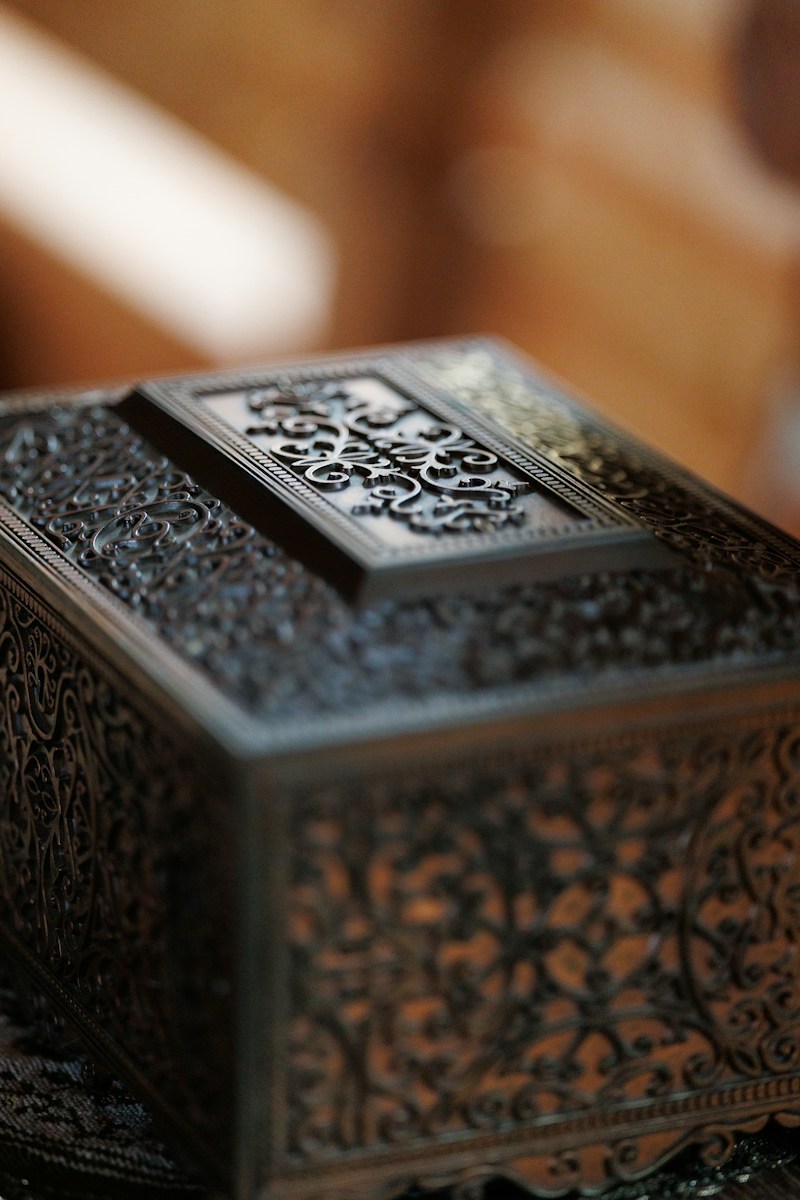
Twelve months and $47,000 later, I'm sitting here looking at a jewelry box that tells quite a story.
The Wins (And There Were Some Good Ones)
Let me start with what went right, because honestly, some of these finds still make me giddy.
The Van Cleef Alhambra I Almost Didn't Buy
March. I'm scrolling through Fashionphile at 2am because apparently that's who I am now. A 10-motif Vintage Alhambra in onyx pops up. $4,200.
Now, I'd been tracking these for months. The going rate was usually $5,500-6,000 for excellent condition. This one was listed as "very good" with some minor scratches on the clasp.
I almost passed. "Very good" can mean a lot of things.
But something told me to request more photos. Turns out the "scratches" were barely visible—just normal wear from the clasp mechanism doing its job. I pulled the trigger.
That necklace is worth about $6,800 today. I wear it constantly.
The Cartier Trinity Ring Mistake That Wasn't
Here's a weird one. I bought a Trinity ring from an estate sale for $650. Seemed too cheap, honestly. The seller said it was her grandmother's, purchased in Paris in the 1970s.
I was convinced it was fake. The sizing seemed off. The colors looked different from the modern versions I'd seen online.
Took it to Cartier for authentication. Turns out it's absolutely real—just an older production run with slightly different gold alloy ratios. The vintage ones have a warmer tone. Who knew?
The Mistakes (Let's Talk About Them)
Not everything went so well.
The "Bulgari" Serpenti That Wasn't
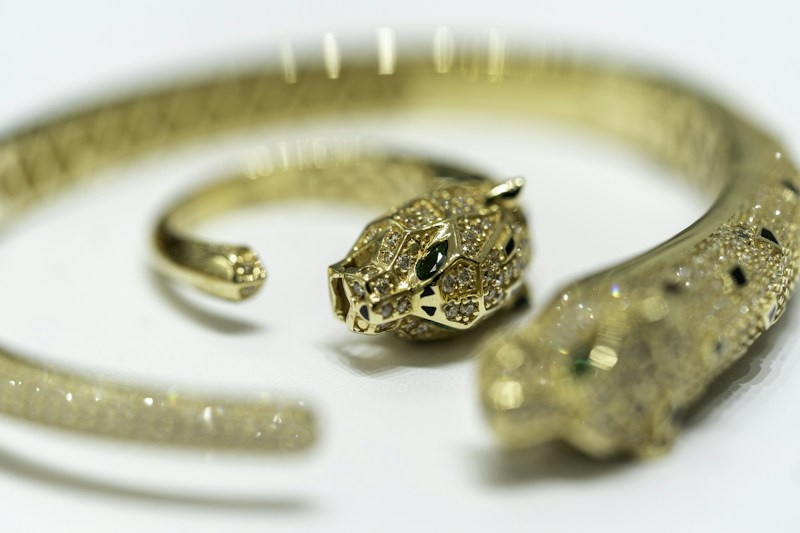
October. Private seller on a consignment app I won't name. Beautiful Serpenti bracelet, $2,800—about 60% below what it should cost.
Red flags everywhere, right? But the photos looked good. The seller had positive reviews. I convinced myself it was a divorcing couple liquidating assets quickly.
It arrived. The weight was wrong immediately. Too light. The scales on the snake head were slightly uneven. The hallmarks looked... off.
I paid for professional authentication. Fake. Cost me $2,800 plus $75 for the authentication. The platform eventually refunded me, but it took six weeks of emails.
Lesson learned: if the price seems too good, it probably is.
The Condition Grade Disaster
The RealReal listed a Chopard Happy Diamonds pendant as "Excellent." The photos looked great.
What arrived had a visible scratch across the sapphire crystal—right over the floating diamonds. How do you miss that? How does "Excellent" include a scratched crystal?
I returned it, but the whole experience left a bad taste. I still shop there, but I always request additional photos now. Always.
What Actually Matters When Buying Pre-Owned
After a year of this, here's what I wish someone had told me at the start:
Authentication matters more than price. I'd rather pay 15% more at Fashionphile and sleep soundly than save money and wonder if what I bought is real. That Serpenti incident cost me weeks of stress.
Condition grades are suggestions. Every platform grades differently. "Very Good" at Fashionphile might be "Excellent" somewhere else. Trust photos, not words.
Timing is everything. I've noticed prices drop in January (post-holiday selling) and rise in October-November (gift buying season). The Alhambra I found in March? Seller probably listed it during the post-holiday rush.
Know what you're looking for. My best purchases happened when I'd already researched the piece extensively. I knew exactly what a real Van Cleef clasp should look like. I knew the weight range for authentic Cartier. Knowledge is literally money in this game.
Was It Worth It?
Let me do some math.
Total spent: $47,000 Estimated retail value of what I bought: $78,000 Current resale value (if I sold today): roughly $52,000-58,000
So I'm up somewhere between $5,000 and $11,000 on paper, plus I got to wear all these pieces for a year.
But more than the money, I learned something. The pre-owned market isn't some sketchy corner of the jewelry world—it's legitimate, it's sustainable, and when you know what you're doing, it's a genuinely better way to buy luxury.
Would I do it again? I'm already planning next year's budget.
The trick is knowing which mistakes to avoid. Now you know mine.
About The Author
Isabella Chen
Founder & Lead Authenticator · GIA Graduate Gemologist
New York, NY
Isabella spent 12 years as a senior specialist at a major auction house before founding Jewelry Refined. She has personally authenticated over 3,000 pieces from luxury houses and holds certifications from the Gemological Institute of America (GIA).
All content is reviewed by our editorial team for accuracy.Meet all our experts →
Discussion
Reader Comments
0 replies
Be The First
No comments yet. Start the conversation — your voice opens the floor.