Buying Guide
How My Failed Engagement Ring Purchase Became A Success
I set a budget of $8,000 for an engagement ring. Went $2,000 over at a jeweler. Then found something better—and under budget. Here's how.

David Martinez
Jewelry Collector & Enthusiast
September 30, 2024
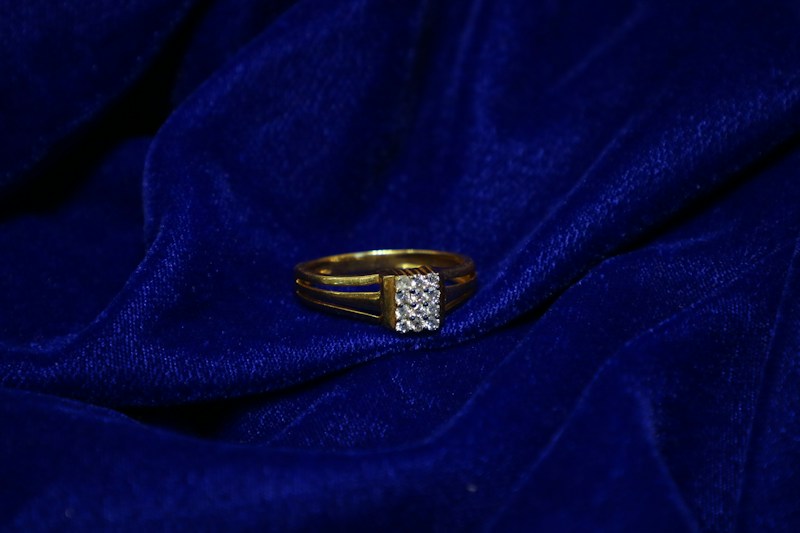
Three weeks before the trip, I walked into a jewelry store with an $8,000 budget and walked out having put down a deposit on a $10,200 ring. The salesperson was very good at her job. The ring was beautiful—a 1-carat diamond, excellent cut, set in platinum.
I told myself the extra $2,200 was worth it. This was forever, right?
Then I went home and started researching whether I'd made a terrible mistake.
The Realization
Here's what I discovered in approximately three hours of panicked Googling:
The ring I'd just committed to was... fine. Good quality. Fair price for retail. But "fair for retail" includes a markup of 50-100% over what the diamond and setting would cost if purchased separately or pre-owned.
A comparable ring—same diamond quality, same setting style—was available on Fashionphile for $6,200.
I sat with that information for a minute. Then I did what any rational person would do: I called my mom.
The Mom Consultation
My mother has been wearing her engagement ring for 38 years. Same ring, never replaced. It's a simple solitaire that my father bought from an estate dealer in 1986.
"You're asking me if buying pre-owned is okay?"
"I mean... is it weird? For an engagement ring?"
She laughed. "Honey, your father's grandmother's ring was pre-owned when she got it in 1921. These things pass through families, through generations. The idea that a ring needs to be 'new' is a marketing concept, not a tradition."
That helped. But I had another concern.
"What if she thinks it's cheap? Like I didn't care enough to buy her something new?"
Mom's response: "Is your girlfriend materialistic?"
"No, but—"
"Then she cares about the gesture, not the receipt. Tell her the story. Tell her you found something beautiful. She'll understand."
The Switch
I went back to the jeweler the next day. Got my deposit back—they weren't happy, but whatever. Then I spent a week researching pre-owned engagement rings properly.
Here's what I learned:
Estate rings have character new rings don't. The styles from different eras—Art Deco geometry, mid-century elegance, 1980s boldness—offer variety that contemporary production doesn't match.
Old-cut diamonds are special. The cushion cuts and old European cuts from earlier eras have a different light pattern than modern brilliants. Softer, more romantic. Some people prefer it.
Platinum from the 1920s-1950s is exceptional quality. Modern platinum is good. Vintage platinum was often better—higher purity, more careful workmanship.
I found a 1935 Art Deco ring at a dealer in the Diamond District. Platinum setting, geometric design, 0.95-carat old European cut diamond. The craftsmanship was incredible—hand-finished details that you simply don't see in modern production.
Price: $5,400.
Under budget. Better ring.
The Proposal
Copenhagen. Rooftop bar. The sun was setting over the harbor.
I pulled out the ring and told her the whole story. The panic, the research, finding the 1935 ring, learning about Art Deco design, becoming briefly obsessed with old-cut diamonds.
She looked at the ring for a long moment.
"This is from 1935?"
"A jeweler in Manhattan. He said it was originally commissioned for a banker's daughter. There's documentation—"
"It's been worn before? Someone else wore this ring?"
Here was the moment I'd worried about. I started explaining—
She interrupted: "That's beautiful."
"What?"
"Someone loved this ring for years. Now we get to love it. That's better than something made in a factory last month."
She said yes. Obviously. (If she'd said no, I probably wouldn't be writing this.)
What I Know Now
The engagement ring industry runs on a set of manufactured expectations. "Two months' salary." "She'll be disappointed if it's not new." "Diamonds are forever but only if they're freshly mined."
Some of it is marketing. Some of it is social pressure. Not much of it is actually about what makes a good ring.
What makes a good ring:
Quality materials and craftsmanship. Whether made in 1935 or 2024, this is what actually matters for longevity and beauty.
Meaning to the wearer. The story behind the piece. How you chose it. Why it's special.
Fit for her style. Not what "engagement rings should look like"—what she actually wants to wear.
Everything else is noise.
The Math, One Year Later
We've been married eight months now. She still wears the ring daily. Gets compliments constantly. The Art Deco design is a conversation piece—people notice it because it's different.
Total I spent: $5,400 What I almost spent: $10,200 Savings: $4,800
What we did with the savings: Upgraded our honeymoon from a decent hotel to a great one. Nine nights in the Azores, incredible experience, funded by not overpaying for a ring.
Do I regret going pre-owned? Not for a single moment.
Neither does she.
About The Author
David Martinez
Contributing Writer · Jewelry Collector & Enthusiast
Miami, FL
David is an avid jewelry collector and writer who has spent over $100,000 on pre-owned luxury pieces. He shares his personal buying experiences and hard-earned lessons with our readers.
All content is reviewed by our editorial team for accuracy.Meet all our experts →
Discussion
Reader Comments
0 replies
Be The First
No comments yet. Start the conversation — your voice opens the floor.