Authentication
The Hidden Cost of 'Excellent Condition' (And How To Read Between The Lines)
Every platform grades differently. Here's how to decode condition language and avoid paying 'excellent' prices for 'good' pieces.

Natalie Brooks
GIA Pearls Graduate
September 22, 2024
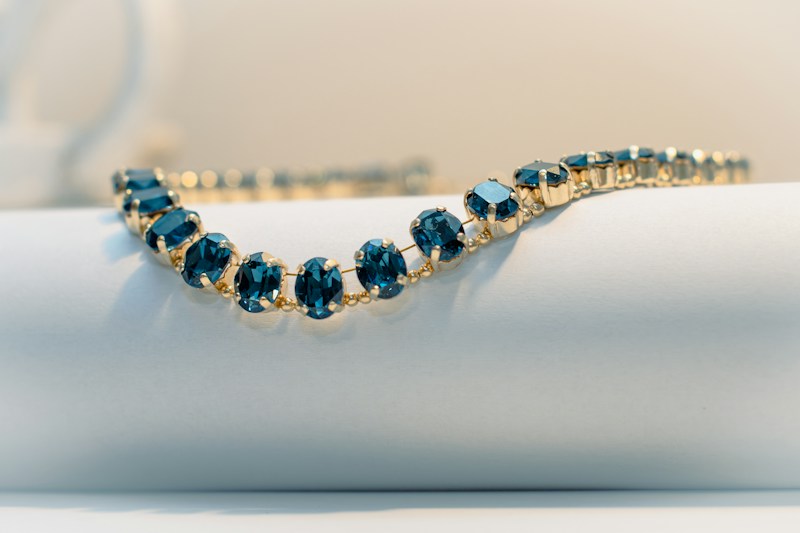
When it arrived, the crystal had a scratch visible to the naked eye. The bracelet links showed noticeable wear. The clasp had been polished so aggressively that the logo was slightly worn.
Was I upset? Sure. But mostly I was educated. Because "Excellent" doesn't mean what you think it means.
The Condition Grade Illusion
Here's something nobody tells you: condition grades are platform-specific. There's no industry standard. "Excellent" at Fashionphile means something different than "Excellent" at The RealReal means something different than "Excellent" at a random eBay seller.
Let me break down what I've observed after years of buying:
Fashionphile Condition Scale (Most Conservative)
- New/Never Used: Actually new. Tags on. Unworn.
- Excellent: Looks nearly new. Maybe tried on, minimal contact.
- Very Good: Light signs of use. Should still look great.
- Good: Visible wear. Functional but clearly used.
The RealReal Condition Scale (More Generous)
- Pristine: Like Fashionphile's Excellent
- Excellent: Like Fashionphile's Very Good
- Very Good: Like Fashionphile's Good
- Good: Significant wear
See the shift? One platform's "Excellent" is another's "Very Good."
eBay/Private Sellers (Wildly Variable)
The Language Decoder
Beyond grades, pay attention to the actual descriptions. Here's what common phrases tend to mean:
"Light surface scratches" Translation: You'll see scratches if you look for them. Maybe with the naked eye, definitely under magnification. For something like a bracelet that gets worn daily, this is normal and often acceptable.
"Hairline scratches on crystal" Translation: At least one scratch is visible in certain lighting. For watches, this matters—crystal replacement costs $100-500 depending on the brand.
"Shows signs of loving wear" Translation: This piece was actually worn, frequently. Expect visible evidence of that. This isn't necessarily bad—heavily worn vintage pieces can have character—but adjust expectations.
"May show slight tarnish" Translation: On silver, there's definitely tarnish. On gold, there's probably patina or discoloration somewhere. Usually cleanable, but factor in that effort.
"Fully functional" Translation: It works. Doesn't mean it looks good. Functionality and cosmetic condition are separate questions.
The Photography Problem
You know what's worse than misleading condition descriptions? Misleading photographs.
Professional resale platforms use studio lighting designed to make pieces look their best. This isn't dishonesty—it's marketing. But it means that subtle scratches, wear marks, and patina often don't show up in listing photos.
My approach now:
Always request additional photos. Specifically ask for photos in natural lighting, close-ups of any areas that typically show wear (clasps, backs of pendants, undersides of rings), and photos from angles not shown in the listing.
Ask direct questions. "Are there any scratches or wear marks not visible in the photos?" Forces the seller to disclose or risk return issues later.
Zoom and examine. On high-resolution photos, zoom all the way in. Look at every surface. Spots, discoloration, and wear often become visible when you're looking at pixels instead of the general image.
What "Excellent" Should Actually Mean To You
Here's my personal framework for what I consider acceptable at each grade:
"Excellent" (What I'll Pay Premium For)
- No scratches visible to naked eye in normal lighting
- Hallmarks and engravings crisp and fully legible
- Clasp and mechanisms functioning perfectly
- Original finish intact—no signs of aggressive polishing
- Looks like it could be displayed in a store
"Very Good" (What I'll Accept At Fair Price)
- Minor scratches only visible under magnification or certain angles
- Very light wear on high-contact areas
- All functions work properly
- May have slight patina consistent with age
- Would look great on your wrist/neck
"Good" (What I'll Buy At Significant Discount)
- Visible wear but no structural issues
- May need professional cleaning or light polishing
- Might benefit from service/maintenance
- Still authentic, still wearable, just clearly used
- Typically 25-40% below "Excellent" pricing
Anything below "Good" I generally avoid unless I'm specifically looking for a restoration project or parts piece.
The Return Policy Safety Net
Here's the most important advice: only buy from platforms with clear return policies.
No matter how carefully you decode condition language, surprises happen. The crystal scratch I mentioned? I returned that watch and got a full refund because Fashionphile has a 30-day return policy.
If I'd bought it from a private seller with no returns? I'd be stuck with a watch that needed a $400 crystal replacement before I could enjoy it.
Condition grades are imperfect. Photography is optimized for sales. Descriptions are crafted by humans with varying standards.
The return policy is your protection against all of that imperfection. Don't buy from anywhere that doesn't offer one.
About The Author
Natalie Brooks
Authentication Specialist · GIA Pearls Graduate
Los Angeles, CA
Natalie is a certified pearl specialist with 10 years of hands-on experience at major resale platforms. She specializes in vintage jewelry authentication and condition assessment.
All content is reviewed by our editorial team for accuracy.Meet all our experts →
Discussion
Reader Comments
0 replies
Be The First
No comments yet. Start the conversation — your voice opens the floor.